
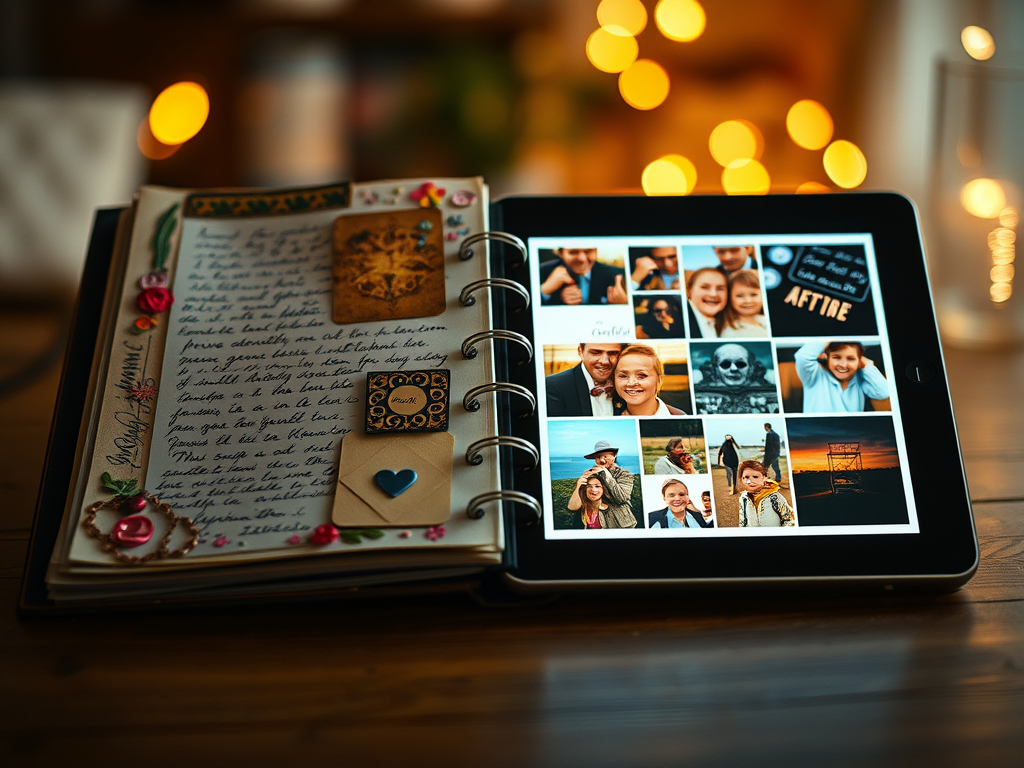
Why Scrapbooks Are Timeless in an Age Dominated by Digital Media
In an age where so much of our lives are captured and shared digitally, some traditions are quietly slipping away. One striking example is the decline of high school and college yearbooks. Once cherished keepsakes of shared experiences, these physical books are being replaced by digital slideshows, online photo albums, or, in some cases, disappearing entirely. While digital media offers convenience and accessibility, it lacks the tactile, emotional connection that physical keepsakes provide.
This is where scrapbooks come in. In a world that moves at the speed of a swipe, scrapbooks remain timeless—a tangible reminder of our memories, creativity, and humanity. Here’s why scrapbooking continues to hold a special place in our lives, even in the digital era.
1. Scrapbooks Create a Tactile Connection
There’s something irreplaceable about holding a scrapbook in your hands. The weight of the pages, the textures of the materials, and the way you can flip through it create a sensory experience that digital media simply cannot replicate.
When you look at a scrapbook, you’re not just seeing memories—you’re touching them. You can feel the ridges of embellishments, run your fingers over pressed flowers, and hold handwritten notes from loved ones. This tactile connection makes scrapbooks deeply personal and irreplaceable in ways that digital slideshows or online albums can never be.
2. Scrapbooks Tell a Curated, Intentional Story
In the digital age, our photos are scattered across devices, clouds, and social media platforms. While we take more photos than ever before, they often lack the context and organization needed to truly tell a story. Scrapbooks, on the other hand, are deliberate. Each page is thoughtfully curated to preserve a specific memory, moment, or theme.
Unlike scrolling through hundreds of disorganized phone photos, flipping through a scrapbook allows you to experience a cohesive narrative. The journaling, layouts, and embellishments bring context and emotion to the memories, transforming them into stories that stand the test of time.
3. They Preserve Moments in a Way Digital Media Can’t
Digital media, for all its convenience, is surprisingly fragile. Devices break, platforms shut down, and files can be lost in a hard drive crash or outdated software. Even with cloud storage, there’s no guarantee that your digital memories will be accessible decades from now.
Scrapbooks, on the other hand, are tangible and enduring. When properly cared for, they can last for generations, providing a physical record of your life’s moments that won’t disappear with the next technological shift. They are a safeguard against the fleeting nature of digital media.
4. Scrapbooks Celebrate Creativity
One of the greatest joys of scrapbooking is the creative process itself. From choosing papers and embellishments to experimenting with layouts and journaling, scrapbooking is as much about the act of creating as it is about preserving memories. It allows for a personal touch that makes each scrapbook unique.
In contrast, digital media often feels generic. While photo filters and templates are fun, they lack the hands-on creativity that comes with cutting, gluing, and designing a page from scratch. Scrapbooks allow you to express yourself artistically, turning your memories into a true work of art.
5. They Foster Deeper Emotional Connections
Digital photos are often consumed in a fleeting, passive way—liked, commented on, and quickly forgotten. Scrapbooks, by contrast, invite us to slow down and engage with our memories. They encourage reflection, storytelling, and emotional connection.
When you sit down to create or flip through a scrapbook, you’re reliving the moments captured on its pages. You’re reminded of the people, places, and feelings that made those moments special. Sharing a scrapbook with a loved one creates a deeper bond than scrolling through a phone screen ever could.
6. Scrapbooks Are Timeless Heirlooms
Yearbooks, photo albums, and even digital archives can feel impersonal—especially as the years pass and faces blur into distant memories. Scrapbooks, however, are personal heirlooms that tell a unique story. They are created with love, filled with meaningful details, and designed to be passed down through generations.
Imagine a grandchild holding a scrapbook decades from now, marveling at the handwritten notes, ticket stubs, and pressed flowers carefully preserved by a family member. It’s a far more intimate and lasting way to connect with your history than scrolling through a digital folder.
7. Scrapbooks Stand the Test of Time
Much like the disappearance of high school and college yearbooks, digital media has pushed other physical traditions into the background. Yet scrapbooks continue to endure because they fill a need that digital media cannot: the need for permanence, creativity, and human connection.
They bridge the gap between past and present, offering a tangible way to remember and celebrate life’s moments. In a world dominated by fleeting posts and disappearing stories, scrapbooks provide something lasting and meaningful.
Final Thoughts: The Timeless Beauty of Scrapbooks
While the decline of yearbooks is a reminder of how traditions change in the digital age, scrapbooks remain a powerful and timeless way to preserve memories. They are more than just collections of photos—they are intentional, creative expressions of our lives and relationships. In their pages, we find not just the stories of our lives, but also the beauty of slowing down and savoring the moments that matter most.
So whether you’re new to scrapbooking or a seasoned crafter, take pride in this art form. In a world where so much is fleeting, scrapbooks stand as a reminder that some things are worth holding onto forever.
Categories: Articles
 MASCrapping